
Lakers vs Wizards: A Game of Star Power, Struggles, and Statement Moments
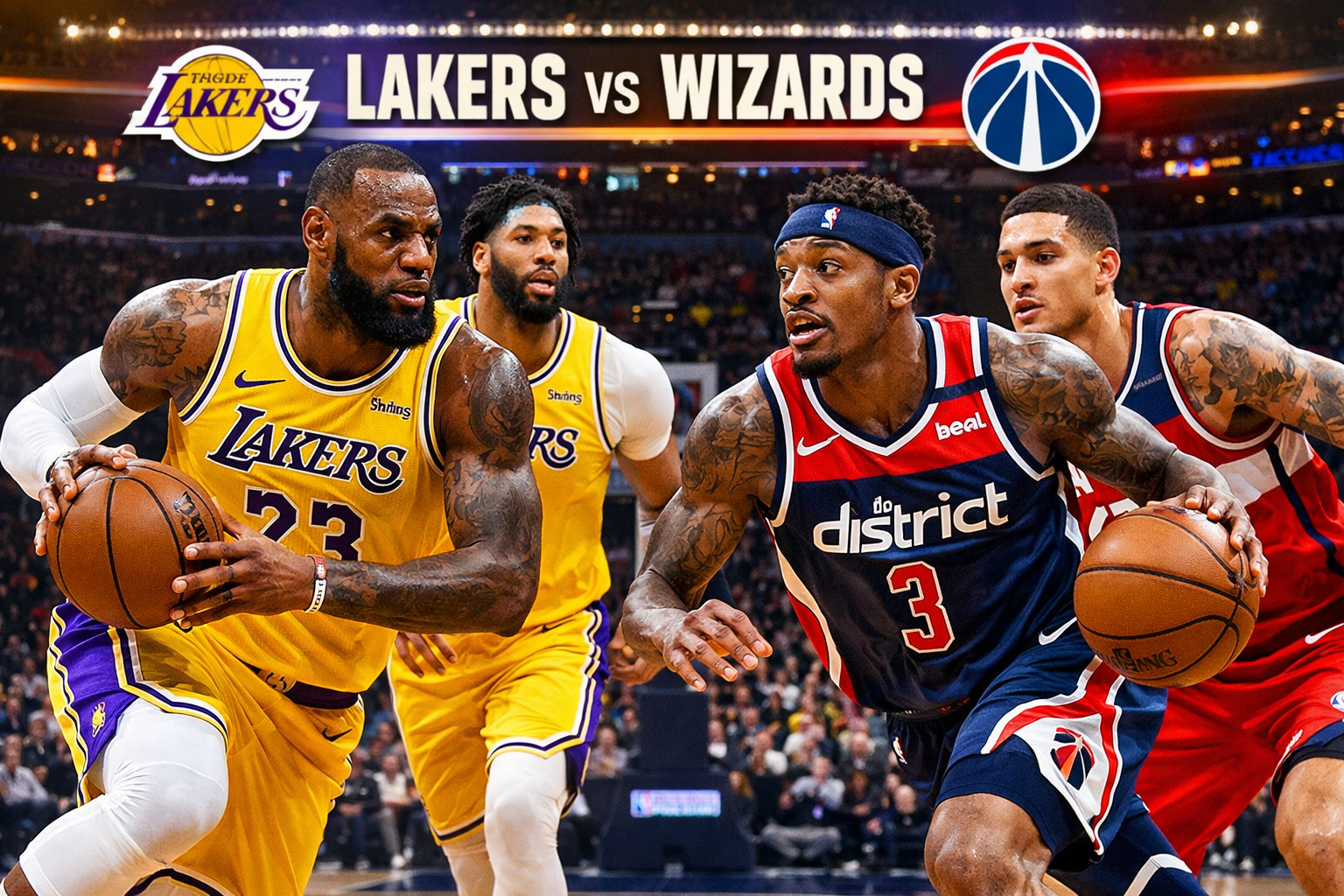
When the Los Angeles Lakers and the Washington Wizards share the court, the matchup might not always scream rivalry, but it never lacks intrigue. On one side, you have the Lakers—one of the most iconic franchises in sports history—carrying expectations, star power, and nonstop media attention. On the other, the Wizards—a team in transition, hungry to prove themselves, and eager to compete with the league’s biggest names.
This Lakers vs Wizards matchup was a perfect example of how NBA games are about more than just records. It was about momentum, confidence, and how two very different teams approached the same challenge. From veteran leadership to young talent trying to shine, the game delivered plenty for fans to talk about.
Let’s break it all down.
Setting the Stage: Two Teams, Two Different Journeys
Coming into the game, the Lakers were focused on consistency. With championship aspirations always hovering over the franchise, every game matters—especially against teams they’re expected to beat. The Lakers’ goal was simple: play disciplined basketball, lean on their stars, and avoid the kind of lapses that can turn manageable games into stressful ones.
The Wizards, meanwhile, were playing with a different mindset. As a team building toward the future, Washington approached the game as an opportunity. Facing a global brand like the Lakers is a chance to test themselves, gain confidence, and show growth—even if the odds aren’t in their favor.
That contrast in motivation set the tone early.
Team Overview: Strengths and Weaknesses
Los Angeles Lakers
The Lakers thrive when they control the pace. Their strengths lie in experience, size, and star leadership. When the offense flows through their best players and the defense locks in, they can overwhelm opponents with efficiency and physicality.
However, the Lakers’ biggest weakness has often been inconsistency. Slow starts, defensive lapses, or reliance on isolation scoring can sometimes keep weaker teams hanging around longer than expected.
Washington Wizards
The Wizards’ strength is energy. They play faster, take chances, and aren’t afraid to push the tempo. Their young players bring athleticism and confidence, especially in transition and open-court situations.
On the flip side, Washington struggles with execution. Defensive rotations, late-game decision-making, and shot selection can become issues—particularly against veteran teams that know how to exploit mistakes.
Key Players to Watch
Lakers Standouts
-
LeBron James: Even after all these years, LeBron remains the engine. His ability to control the game without forcing shots is unmatched. Whether scoring, passing, or simply commanding attention, his presence changes everything.
-
Anthony Davis: When Davis is aggressive, he dominates both ends of the floor. His rim protection, rebounding, and interior scoring are critical against teams that rely on pace.
-
Role Players: The Lakers’ success often hinges on contributions from their supporting cast—players who knock down open shots, defend consistently, and keep the offense balanced.
Wizards Standouts
-
Young Core Players: Washington’s rising talent plays without fear. Their confidence in attacking the rim and shooting from deep keeps defenses honest.
-
Primary Scorers: The Wizards rely heavily on their top scoring options to create offense, especially when sets break down.
How the Game Unfolded
First Quarter: Feeling Each Other Out
The game opened with both teams testing the waters. The Lakers focused on feeding the ball inside, while the Wizards pushed the pace and looked for early transition opportunities.
Washington surprised early with energy, matching the Lakers shot for shot. Meanwhile, the Lakers appeared calm—moving the ball, probing the defense, and letting the game come to them rather than forcing plays.
Second Quarter: Lakers Settle In
As the second quarter progressed, experience began to show. The Lakers tightened their defense, forced turnovers, and capitalized on second-chance opportunities.
LeBron orchestrated the offense beautifully, creating open looks and keeping defenders guessing. Anthony Davis made his presence felt in the paint, altering shots and cleaning up the glass.
The Wizards stayed competitive but struggled to maintain consistency as the Lakers’ defensive pressure increased.
Third Quarter: Momentum Shift
The third quarter proved pivotal. The Lakers came out sharper, increasing defensive intensity and moving the ball with purpose. This led to a series of high-percentage shots and extended scoring runs.
Washington fought back with bursts of offense, but defensive breakdowns—especially in transition—made it difficult to close the gap.
This stretch highlighted the difference between a seasoned contender and a developing team.
Fourth Quarter: Closing Time
In the final quarter, the Lakers did what veteran teams do best: they managed the game. Smart possessions, controlled tempo, and timely scoring ensured there was no dramatic comeback.
The Wizards showed resilience and continued to compete, but the Lakers’ composure ultimately sealed the outcome.
Stat Highlights (Made Simple)
Stats don’t tell the whole story, but they help explain why the game unfolded the way it did:
-
Lakers dominance in the paint showed their size advantage.
-
Assist numbers reflected strong ball movement from Los Angeles.
-
Turnovers hurt Washington at key moments.
-
Rebounding edge allowed the Lakers to control second chances.
The numbers backed up what fans could see: efficiency and discipline beat raw energy.
Coaching and Strategy Breakdown
From a strategic standpoint, the Lakers focused on exploiting mismatches and slowing the game down. Their half-court offense was deliberate, forcing the Wizards to defend for long stretches.
Washington’s coaching staff emphasized speed and aggression, encouraging players to attack early in the shot clock. While this approach created exciting moments, it also led to rushed decisions against a defense that thrives on patience.
The contrast in coaching styles was clear—and educational.
Fan Reactions and Game Atmosphere
Fans came into the game expecting star performances, and they weren’t disappointed. Every LeBron highlight drew excitement, while Wizards fans appreciated the effort and hustle from their young roster.
On social media, reactions ranged from praise for the Lakers’ professionalism to optimism about Washington’s future. While the result may not have surprised many, the competitive stretches gave fans plenty to discuss.
What This Game Means Going Forward
For the Lakers
This game reinforced the importance of focus. Taking care of business against developing teams is crucial over the course of a long season. The Lakers showed they can win comfortably when they commit defensively and share the ball.
More importantly, it built rhythm and confidence—two things every contender needs.
For the Wizards
For Washington, the game was less about the final score and more about growth. Competing against elite talent highlights areas for improvement and provides valuable experience for young players.
These games are stepping stones, not setbacks.
Final Thoughts
The Lakers vs Wizards matchup may not headline the league’s biggest rivalries, but it offered a clear snapshot of two teams at different stages of their journeys. The Lakers played with poise, leadership, and purpose. The Wizards played with heart, energy, and potential.
In the NBA, progress looks different for every team. Sometimes it’s a dominant win. Other times, it’s a hard-fought learning experience.
Either way, this game delivered exactly what basketball fans love—competition, storytelling, and a glimpse of what’s next.